Before The Supplement Question Comes The Source Question
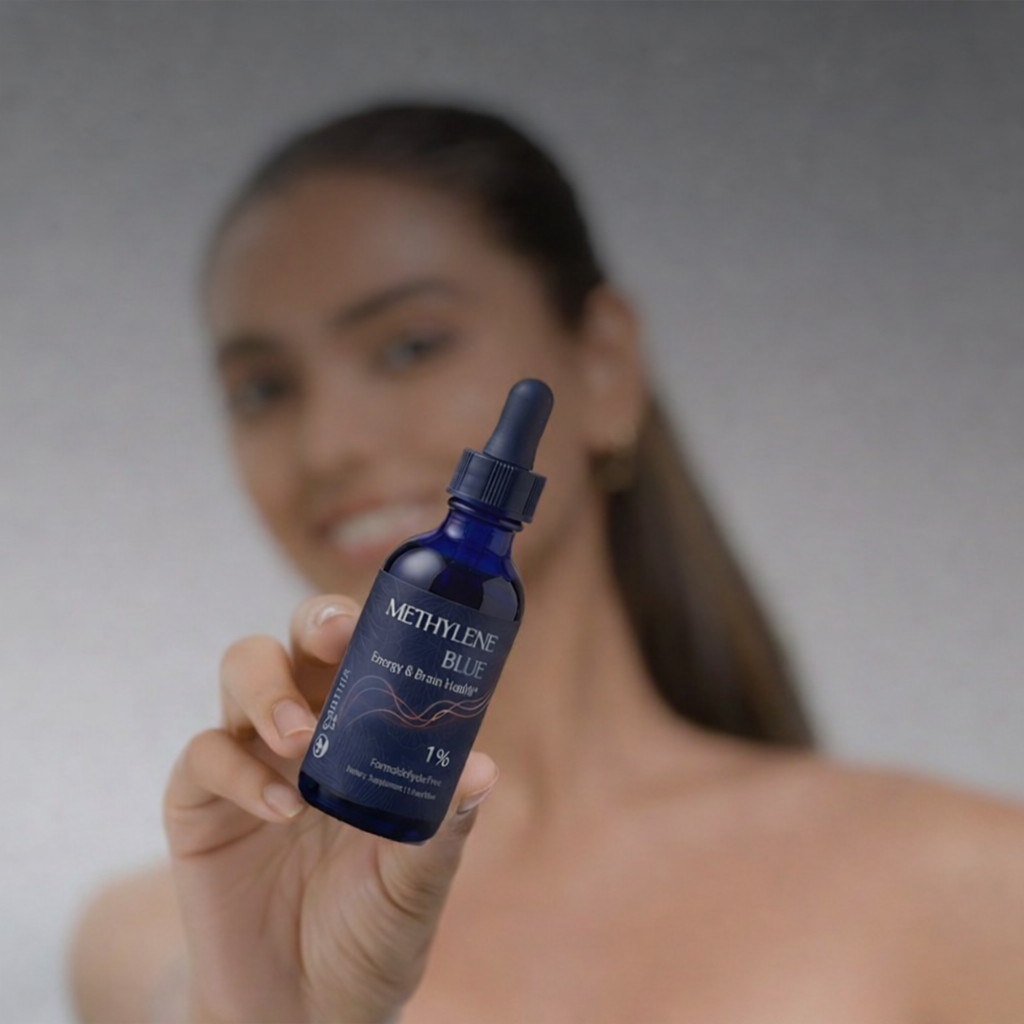
Before you buy methylene blue, check the source first. That is the cleanest place to begin because the reader is not only asking whether a compound is popular. They are asking whether it is appropriate, whether the quality is clear, and whether the brand is willing to answer sourcing questions in plain English.
The familiar trap in this category is chasing the short-term signal. A stimulant can feel like an answer because it changes the day quickly. The deeper energy question is different: how does the brain make usable energy, how does stress change that demand, and what kind of routine supports clearer thinking without pretending that one product solves every cause?
The Science In Plain English
The brain is energy-expensive. Clear thinking depends on steady sleep, nutrient sufficiency, stress regulation, oxygen use, and usable cellular energy. When people describe fog, low drive, or a heavy mental feeling, they are often describing a system that feels underpowered, overloaded, or poorly recovered.
That does not mean every case has the same cause. It means the best content should help readers sort the basics first: sleep quality, food timing, hydration, movement, stress load, medication questions, and whether they are expecting coffee or another quick signal to do the work their cells still have to do.
Where methylene blue enters the conversation, the language should stay careful. Research suggests scientists are interested in mitochondrial function, redox biology, and cellular energy pathways. Biohackers are interested because these ideas connect to focus and daily output. That curiosity is not the same as a medical promise, and Earthia content should keep that line bright.
What Medical Experts Would Want You To Check First
Every week, at least three Earthia blog articles must include credible medical or research authority. That does not mean borrowing another brand’s language or making stronger claims. It means using trusted medical sources to keep the article practical, careful, and useful for a buyer who wants clarity before they buy.
Cleveland Clinic
Brain fog is best explained as a group of symptoms that can involve focus, memory, attention, fatigue, sleep, stress, nutrition, medications, and underlying health questions.
https://my.clevelandclinic.org/health/symptoms/brain-fog
NIH Office of Dietary Supplements
Supplement research should separate nutrient basics, safety, medication questions, and realistic expectations instead of turning a routine into a cure claim.
https://ods.od.nih.gov/factsheets/list-VitaminsMinerals/
Harvard Health Publishing
Physician-reviewed brain-fog education usually begins with plain language, lifestyle context, and careful guidance before discussing any supplement idea.
https://www.health.harvard.edu/blog/what-is-covid-19-brain-fog-and-how-can-you-clear-it-2021030822076
What The Top Results Are Teaching Us
We use top-result pages as a map of reader questions, not as source text to copy. The useful pattern is the shape of the questions: safety, source quality, side effects, realistic expectations, and whether cellular energy is being explained clearly.
Magnesium Glycinate for Sleep : Benefits, Dosage, Effects
https://www.verywellmind.com/magnesium-glycinate-and-sleep-6745875
Does Magnesium Glycinate Really Help You Sleep Better? - WebMD
https://www.webmd.com/sleep-disorders/features/magnesium-glycinate-sleep
How Much Magnesium Glycinate Should You Take Before Bed? - Biology Insights
https://biologyinsights.com/how-much-magnesium-glycinate-should-you-take-before-bed/
How To Evaluate Quality Before You Buy
The source question deserves its own section because it separates serious brands from trend-chasing pages. A reader should be able to ask where the methylene blue comes from, what purity standards are used, whether testing is current, and how the company talks about interactions and responsible use.
- third party testing: include this phrase where it genuinely answers a quality or safety question.
- certificate of analysis: include this phrase where it genuinely answers a quality or safety question.
- methylene blue source: include this phrase where it genuinely answers a quality or safety question.
- Earthia: include this phrase where it genuinely answers a quality or safety question.
A Certificate of Analysis should be treated as a trust signal, not a decoration. Third-party testing should be easy to understand. Source language should be specific enough that the reader can tell the brand has thought about quality before writing marketing copy.
A useful sleep benchmark
Sleep is not the only reason someone may feel foggy or drained, but it is one of the easiest variables to measure. The CDC reports that 30.5% of U.S. adults slept less than seven hours in 2024. Its age-based guidance recommends at least seven hours for adults ages 18 to 60, seven to nine hours for ages 61 to 64, and seven to eight hours for adults 65 and older.
A practical starting point is to track bedtime, wake time, afternoon energy, and caffeine use for two weeks. That will not diagnose a health problem, but it can show whether an inconsistent schedule is part of the pattern.
Source: CDC National Center for Health Statistics, 2024 sleep data
Safety Note
Methylene blue is a serious compound. It can interact with certain medications, especially serotonin-related prescriptions. Anyone taking SSRIs, SNRIs, MAOIs, psychiatric medications, or other prescriptions should speak with a qualified healthcare professional before considering methylene blue.
Earthia pages should never make a casual safety promise. The better approach is to lead with quality, safety, and the right source. That makes the content more useful for cautious readers and more durable for search because it answers the question responsible buyers are already asking.
These statements have not been evaluated by the Food and Drug Administration. This product is not intended to diagnose, treat, cure, or prevent any disease.